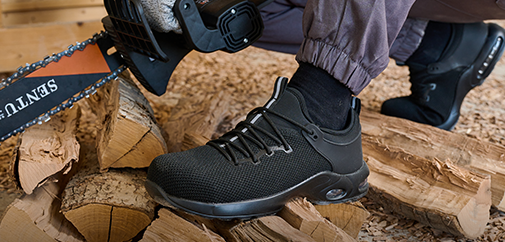



Are your daily habits causing foot pain? Simple actions like wearing the wrong shoes or skipping socks can harm your feet. This blog will show you how to avoid 5 habits destroying your feet.
Keep reading to save your step!
Key Takeaways
- Walking barefoot often can harm your feet, causing injuries, infections, or arch strain. Use supportive shoes like steel-toe shoes or cushioned shoes to protect them.
- flat shoes lack proper support. They cause pain, blisters, and long-term foot problems like bunions or misalignment. Choose footwear with good cushioning and arch support instead.
- Skipping socks increases friction, leading to blisters and fungal infections like athlete’s foot. Wear moisture-wicking socks for better protection during work or exercise.
- Ignoring foot pain can lead to serious issues such as arthritis or tendon damage over time. Seek early help from podiatrists for recurring aches or injuries.
- Daily hygiene is essential for healthy feet. Wash thoroughly, trim nails regularly, and moisturize dry skin to avoid infections or discomfort caused by cracks and dead skin buildup.
Hazards of Frequent Barefoot Walking
Walking barefoot often can strain your foot muscles and arches. It may also increase the risk of cuts, infections, or injuries from sharp objects.
Dangers to Foot Health
Walking barefoot on hard floors can harm your feet. It causes heel pain and stress fractures, especially for workers standing all day. Without protection, your skin is exposed to cuts and infections.
Barefoot walking also strains foot muscles, leading to issues like plantar fasciitis or tendon inflammation over time.
Ignoring proper footwear worsens problems. Shoes with no support hurt the arches and joints in your lower limbs. This leads to imbalances that cause bunions, hammertoes, or even nerve damage in severe cases.
Poor habits around bare feet increase risks of foot injuries; this points us toward safer alternatives for protecting your health daily.

Alternatives to Going Barefoot
Frequent barefoot walking can harm foot health. Protect your feet with practical alternatives.
- Wear safety work shoes for tough jobs. Steel toe shoes protect feet from heavy items and injuries on worksites.
- Choose anti-slip shoes in wet or slippery areas. Waterproof shoes also keep your feet dry and safe from infections.
- Use supportive insoles to cushion foot arches during long work hours. They prevent shin splints and reduce pain.
- Pick chef shoes for kitchen tasks to avoid slipping and protect against falling tools or hot liquids.
- Switch to sandals with strong treads for casual use outdoors instead of walking barefoot on rough surfaces or sharp objects.
Take these steps to avoid lasting damage, improve comfort, and maintain your foot health daily.
Problems with Inappropriate Footwear
Wearing the wrong shoes can hurt your feet and ankles. Poorly fitted footwear may cause blisters, calluses, or long-term pain.
Risks of Wearing Wrong Size
Wrong size push your body unstable. This puts a lot of pressure on the toes and balls of your feet. They can strain your arches, causing sharp heel pain. Wearing them often leads to foot misalignment or deformities like bunions or hammertoes.
Poor hygiene with wrong size creates dry skin and ingrown toenails. Blisters also form from friction, especially without socks. Fungus grows in damp, sweaty shoes leading to infections like athlete's foot.
These problems worsen if ignored over time.
Issues with Flat Flip-Flops
Flat flip-flops do not provide enough cushioning or arch support. This lack of support strains your feet and leads to pain. Wearing them daily can cause foot misalignment or worsen existing issues like flat feet.
Walking on hard surfaces in these shoes increases the risk of stress fractures, especially for warehouse workers who spend long hours on their feet.
These shoes can also make dry skin, corns, and ingrown nails worse with poor hygiene. Skipping socks with flip-flops adds to the problem by causing blisters and fungal infections during physical activity.
Choosing anti-slip shoes with proper midsoles is a better option for protecting your foot health.
Good footwear lays the foundation for healthy feet.
The Risk of Not Wearing Socks
Skipping socks can cause blisters, irritation, and even fungal infections like athlete’s foot. Socks help protect your feet by reducing friction and absorbing sweat.
Hazards of Forgoing Socks in Active Scenarios
Skipping socks during workouts increases friction. This can cause painful blisters, calluses, and even foot wounds. Sweat builds up without socks and creates a damp environment. Fungal infections like athlete’s foot thrive in such conditions.
Long hours on your feet with no barrier add to the risk.
Hard work requires healthy feet. Socks absorb moisture and lower skin irritation from rubbing inside shoes or anti slip boots. They also reduce pressure spots that could lead to bunions or stress fractures over time.
Protect your arches and toes by wearing proper socks every day at work or while exercising.

Benefits of Socks for Moisture and Friction Reduction
Going without socks increases the risk of painful foot issues like blisters and calluses. Socks create a barrier between your skin and the shoe, cutting friction. This reduces rubbing that leads to irritation or cracked skin.
Socks also soak up sweat during long work hours or intense activities. Wet feet increase the chance of fungal infections like athlete’s foot. Moisture-wicking socks keep feet dry and healthy, especially in anti-slip shoes used by blue-collar workers.
The Impact of Ignoring Foot Pain
Ignoring foot pain can lead to serious issues like arthritis or tendon damage. Pay attention to aches and get help from a podiatrist early.

Potential Long-Term Damage from Untreated Foot Conditions
Untreated foot pain can lead to severe issues like arthritis, bunions, or plantar fasciitis. Chronic pain may develop in the midfoot, heels, or toes. Foot deformities like hammertoes can appear over time.
Leaving conditions untreated may also strain tendons and ligaments, causing swelling and weakness in knees or hips due to misalignment.
Lack of care increases risks of infections such as gangrene or Buerger’s disease for people with poor circulation or smoking habits. Untreated injuries like a broken toe may worsen and affect mobility permanently.
Fungal infections from neglecting nail care could spread deeper into skin layers without attention. Seek help early to prevent worsening issues involving podiatrists and therapy options.
Guidelines for Seeking Foot Care Experts
Ignoring foot pain can lead to serious issues. Seeking expert help early prevents long-term damage.
- Find a podiatrist if you experience frequent pain, tingling, or weakness in your feet. They specialize in foot conditions like cramps, gout, and Achilles tendonitis.
- Choose experts familiar with blue collar health challenges. They understand specific needs like anti slip shoes and footwear with a wide toe box.
- Consult a nutritionist if diet impacts your foot health. Improper nutrition can worsen problems like clots or Raynaud’s syndrome.
- Visit a specialist for recurring injuries such as sprains or chronic stiffness. Experts can help restore flexibility with exercises and dynamic stretching.
- Seek care if dead skin buildup causes discomfort while working. Podiatrists may exfoliate rough spots safely without causing harm.
- Schedule an appointment if improper footwear like flat flip-flops leads to aches or posture problems. Professionals might suggest orthotics to support your feet correctly.
- Contact a doctor immediately for persistent swelling or unusual signs after physical tasks like running or heavy lifting.
- Get treated promptly for nail issues causing infections or pressure on surrounding areas, especially thumbnails prone to ingrown nails.
- Ask about massages for relief from soreness after long shifts on hard surfaces; targeted techniques improve circulation and reduce tension in the shoulders and lower body too.
- Always follow up with your chosen expert consistently to track progress and avoid worsening symptoms over time without proper support systems in place for active lifestyles.
The Importance of Foot Hygiene
Clean feet help prevent infections and relieve discomfort. Proper care keeps your feet healthy and strong every day.
Consequences of Neglecting Nail Care
Poor nail care can cause painful ingrown toenails. These may become infected, making it hard to walk or work. Infections from dirty nails can also spread and lead to serious foot problems.
Dry, cracked skin around neglected nails increases the chance of fungal infections. This weakens your feet's health over time and makes daily tasks harder. Regular trimming and cleaning help avoid these issues while keeping feet strong for tough jobs.
The Necessity of Regular Foot Moisturization and Cleansing
Dry, cracked feet can result in infections. Regular foot moisturization helps keep the skin soft and healthy. Many blue-collar workers spend long hours on their feet, which increases the likelihood of dry skin.
Apply a quality lotion after work to retain moisture and help avoid issues like splits or rough patches. Using a pumice stone once weekly removes dead skin and allows the moisturizer to absorb more effectively.
Washing your feet daily is just as important for hygiene. Dirt, sweat, and grime accumulate quickly during intense physical labor or fitness activities like Pilates. Clean thoroughly with soap each night to eliminate bacteria that can lead to infections or unpleasant odors.
Keeping your nails trimmed provides additional protection against debris becoming trapped underneath and supports overall cleanliness.
Conclusion
Healthy feet are key to staying active. Avoid habits that cause pain or damage. Wear proper shoes, use socks, and care for your skin and nails. Never ignore foot pain; listen to your body.
Simple changes can prevent problems and keep your feet strong.
FAQs
1. How does wearing flip-flops affect foot health?
Wearing flip-flops daily offers little support, which can cause pain and weaknesses in your feet over time.
2. Can a sedentary lifestyle harm my feet?
Yes, sitting too much reduces blood flow to your feet, leading to stiffness and poor circulation.
3. Is exfoliating bad for your feet if done often?
Over-exfoliating can damage the skin on your feet, making them dry or more prone to injury.
4. Does vaping impact foot health?
Vaping affects circulation just like nicotine replacement therapy products, which may slow healing and harm overall foot health.