

Slips, trips, and falls are common problems in busy kitchens. The Centers for Disease Control and Prevention (CDC) says many workplace injuries happen because of these accidents. This blog will show you how to lower the risk of falling while working as a chef.
Stay safe by learning these simple tips!
Key Takeaways
- Wet or greasy floors, clutter, poor lighting, and improper footwear are common causes of falls in kitchens. Use non-slip mats and clean spills quickly to prevent accidents.
- Non-slip shoes reduce fall risks caused by slippery kitchen floors. Proper footwear helps chefs stay balanced and safe during work hours.
- Bright lighting improves visibility and reduces trip hazards like cracks or spilled liquids on the floor. Replace burned-out bulbs promptly for better safety.
- Regularly inspect floors for cracks or bumps that could cause trips or slips. Fix damaged areas quickly to avoid injuries while working.
- Mark wet spots with bright signs during mopping to alert others about potential slipping hazards in busy kitchens.
Common Causes of Slips, Trips, and Falls in the Kitchen
Kitchens are full of hazards that can lead to accidents. Small issues like spills or messes on the floor quickly turn into fall risks.
Wet or greasy floors
Wet or greasy floors create a serious fall risk in kitchens. Spilled oils, sauces, or water can make surfaces slippery. This increases the likelihood of slips and fall-related injuries like broken bones or head injury.
Keep these areas dry to prevent workplace accidents. Use non-slip mats near sinks, stoves, and ice machines. Clean spills immediately with proper mopping techniques to reduce hazards.
Poor lighting
Dim lighting increases the chance of trips, slips, and falls. Shadows can hide spilled liquids or uneven surfaces. You might not see cracks, bumps, or loose floorboards under poor light conditions.
Ensure all work areas stay bright and clear. Replace burned-out bulbs quickly. Install task lighting over counters and stoves for better visibility. Move to cluttered workspaces next to avoid other hazards in the kitchen environment.
Cluttered workspaces
Poor lighting makes it hard to spot hazards. A cluttered workspace adds to the fall risk. Items left on the floor, like kitchen tools or food containers, create trip hazards. Electrical cords can snake across walkways and cause accidents.
Good housekeeping prevents these issues. Keep floors clear of chairs, boxes, and other obstacles. Store items properly on shelves or counters instead of leaving them out where someone could stumble over them.
Regularly inspect work areas for potential dangers like loose floorboards or sharp edges sticking out from storage units. Employ safe practices consistently to reduce workplace safety risks linked to slips, trips, and falls in busy kitchens!
Improper footwear
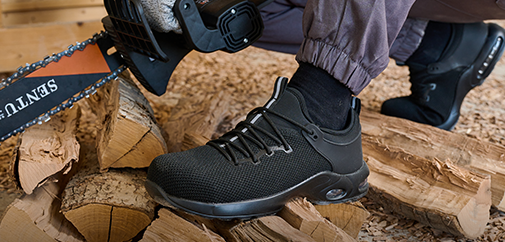
Wearing unsafe shoes increases your risk of slips, trips, and falls. High heels, sandals, or worn-out soles make it harder to stay stable on slippery kitchen floors. Non-slip footwear provides better grip and reduces fall-related injuries.
Footwear without proper support can also cause balance problems. Shoes designed for safety improve muscle strength and protect against accidents. Ice machine puddles will be less risky with slip-resistant shoes in place.
Ice Machine Puddles and Condensation
Water from ice machines can create slippery spots. Condensation may drip onto the floor, leading to a fall risk. Small puddles often go unnoticed until it’s too late. These wet areas make walking dangerous and increase accidents in busy kitchens.
Preventing falls starts with checking for leaks or drips around ice machines. Use non-slip mats under and near these areas to catch water. Clean up puddles right away to avoid slips, trips, and falls during rush periods.
Regular inspections help identify issues before injuries happen.
Importance of Fall Prevention for Chefs
Falls in the kitchen can lead to serious injuries like hip fractures. A busy chef cannot afford time off for recovery. Falls also increase stress and disrupt workflow. These accidents may cause expensive medical bills or even personal injury claims.
Wearing non-slip shoes and keeping floors dry reduce fall risks. Tripping over loose floorboards or electrical cords can be dangerous, too. Fall prevention helps keep you safe while maintaining workplace safety standards.
Strong balance and physical activity lower your risk of slips, trips, and falls at work.
Effective Tips for Fall Prevention in the Kitchen
Keep the kitchen safe by improving your workplace. Small steps like using proper tools and cleaning methods can prevent falls.
Clean spills immediately
Spills make floors slippery and dangerous. Wipe them up as soon as they happen to prevent slips, trips, and falls. Use a mop or clean towel, depending on the size of the spill. Place a wet floor sign if others are nearby to avoid accidents during cleanup.
Neglecting spills increases fall-related injuries in busy kitchens. The Centers for Disease Control and Prevention (CDC) highlights injury prevention techniques like good housekeeping practices.
Fast action reduces liability risks such as workers' compensation claims or emergency room visits caused by workplace safety breaches.
Use non-slip mats in high-risk areas
Quickly drying spills helps, but many areas need extra protection. Place non-slip mats in spots like sink stations, ice machines, and near fryers. These mats reduce slips caused by water, grease, or condensation.
Make sure the mats stay flat to prevent trips. Clean and inspect them often to avoid wear or tears that create hazards. Non-slip mats are crucial for injury prevention in busy kitchens with high risk of falls.
Require non-slip footwear for all staff
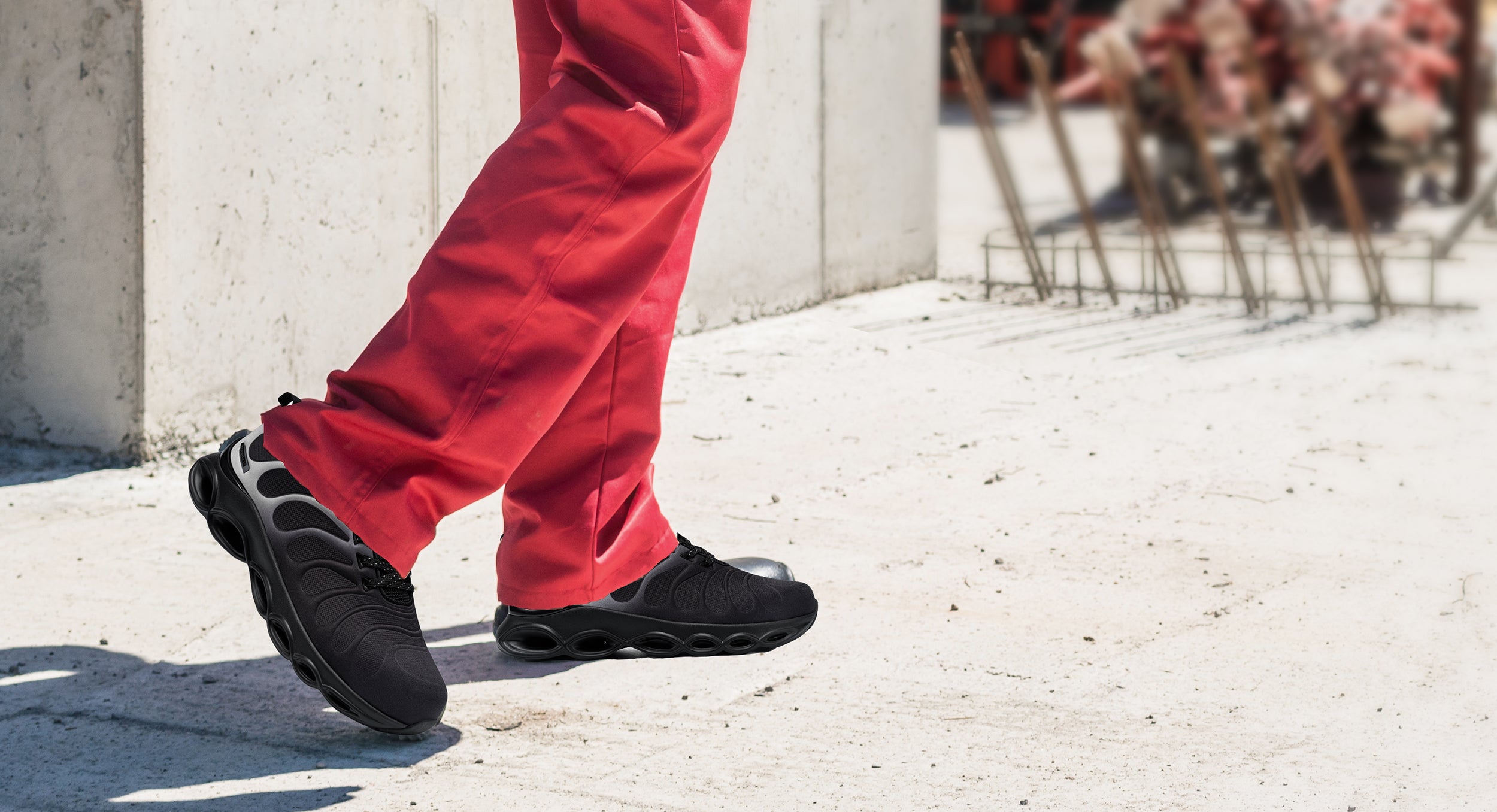
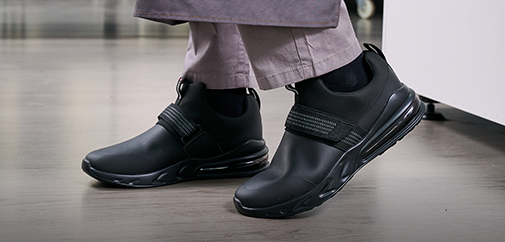
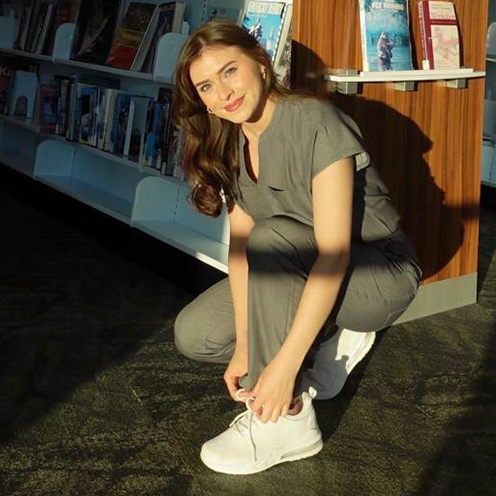
Non-slip shoes protect staff from slips, trips, and falls. Grease or water on kitchen floors creates major risks for chefs. Proper footwear helps prevent fall-related injuries. It also reduces liability for employers.
Choose shoes with strong grip and slip-resistant soles. Avoid worn-out footwear that can cause balance problems. Non-compliance can lead to workers’ comp claims or lost workdays.
Safe feet mean safer kitchens.
Next, focus on keeping proper lighting throughout the kitchen workspace!
Maintain proper lighting throughout the kitchen
Bright lights reduce fall risks. Poor lighting can hide spills or obstacles, increasing the chance of injury. Install overhead lights to illuminate workspaces clearly. Use focused task lights near prep areas for better visibility.
Check light fixtures regularly for damage or dimming bulbs. Replace burnt-out bulbs promptly. Keep switches easy to access and free from obstructions to improve workplace safety.
Regularly inspect floors for cracks or bumps
Check floors often for cracks, bumps, or loose floorboards. Even small issues can cause slips or trips and lead to fall-related injuries. Use good lighting during inspections to spot hidden hazards.
Fix damaged areas quickly to prevent accidents. Cracks may worsen if left untreated, increasing the risk of work injuries. Keep pathways clear of trip hazards like clutter or electrical cords as well.
Additional Safety Measures to Consider
Keep electrical cords neatly tucked away to avoid trips. Consider grab bars near wet areas for extra support.
Create a mopping schedule
Set a regular mopping schedule to reduce slips, trips, and falls. Plan daily cleaning times during low-traffic hours in the kitchen. Focus on high-risk areas like near ice machines or under sinks where puddles form.
Use signs to mark wet floors while mopping. This alerts others about fall risks. Make sure staff stick to the schedule for consistent cleanliness and injury prevention. Clean with proper tools like a mop bucket and non-slip cleaning solution for safety.
Clearly mark wet or hazardous areas
Mark wet spots or hazardous areas with bright, visible signs. Use cones or floor markers to warn of spills or mopped floors.
Proper labeling can prevent fall-related injuries. This step promotes workplace safety and protects staff from slips, trips, and falls.
Conclusion
Keeping your feet safe helps keep you on the job. Preventing slips and falls protects both your health and career. Use proper shoes, clean floors fast, and watch for hazards like clutter or poor lighting.
Small steps can stop big injuries. Stay steady, stay safe!
FAQs
1. What are common causes of slips, trips, and falls in the kitchen?
Slips, trips, and falls often happen due to loose floorboards, electrical cords on the ground, or poor lighting like missing night lights. Poor housekeeping can also increase trip hazards.
2. How can chefs prevent fall-related injuries at work?
Chefs can improve workplace safety by wearing personal protective equipment like non-slip shoes. Good housekeeping practices such as keeping stairwells clear and securing grab bars help reduce risks.
3. Can physical activity lower the risk of falls for older adults?
Yes, exercises that build muscle strength and balance improvement programs reduce fall risks for older adults by improving coordination.
4. Why is it important to address balance problems early?
Balance problems may be caused by low blood pressure or conditions like orthostatic hypotension or dementias such as Alzheimer’s disease. Ignoring symptoms increases the risk of serious fall injuries.
5. What role does a physical therapist play in preventing falls?
A physical therapist helps with strength training exercises and guides individuals through personalized exercise programs to improve stability and prevent future accidents.
6. Are businesses liable for workplace falls involving employees?
Yes; under duty of care laws, employers must ensure safe environments free from trip hazards like loose cables or spills. Failure to do so could result in damages claims through insurance agents after an injury occurs.