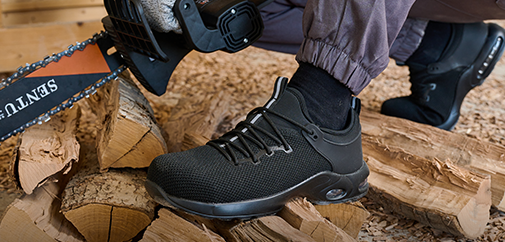



Worn-out safety shoes can put your feet at risk. Do safety shoes expire? Yes, they do, and not replacing them on time can lead to injuries. This blog will show you how to check for damage and when to replace your work boots.
Keep reading to protect your feet and stay safe!
Key Takeaways
- Safety shoes expire and should be replaced every 6 to 12 months for heavy use or up to two years for light use.
- Signs of wear include worn soles, damaged toe caps, cracks, holes, or loss of cushioning. Regular checks are essential.
- Factors like work environment, material quality, and maintenance habits affect a shoe’s lifespan. Tough jobs reduce durability faster.
- Cleaning regularly and rotating pairs can extend safety shoe life by reducing wear on materials over time.
- Timely replacement prevents injuries from slips, falls, sharp objects, and chemicals at the workplace.
Do Safety Shoes Expire?
Safety shoes do expire. Over time, materials like soles, midsoles, and insoles wear out. This reduces their ability to protect your feet during work.
Steel toe shoes and non slip work shoes may last between six months to a few years. The lifespan depends on usage, working conditions, and the quality of the footwear. Regular inspections help identify damage before safety risks arise.

Understanding the Lifespan of Safety Shoes
The lifespan of safety shoes depends on how they are used and their quality. Regular inspections help spot issues that affect their durability.
Factors that affect durability
Safety shoes protect your feet at work. Their lifespan depends on several factors.
-
Material Quality
Good materials last longer. Shoes made from leather or strong synthetic materials resist damage better. -
Work Environment
Tough conditions, like wet areas or rough surfaces, wear out shoes faster. Water resistance helps in moist spaces. -
Frequency of Use
Daily use makes safety boots wear out quicker. Occasional use increases their durability. -
Maintenance Habits
Proper cleaning and care prevent early damage. Neglecting maintenance can cause cracks or weak spots. -
Type of Job
Physical jobs like construction put more strain on safety toe shoes. Office workers experience less wear and tear. -
Build of the Shoes
Shoes with thick outsoles and strong toe caps last longer than flimsy ones. A cobbler can't always fix poor build quality. -
Exposure to Chemicals
Chemicals can break down shoe materials fast. Strong soles resist chemical spills better than standard ones. -
Body Weight and Posture
Heavier weight adds pressure to heels and treads, causing faster damage over time. -
Environmental Conditions
Hot, cold, or humid weather weakens certain materials quickly. Regular exposure speeds up aging signs on protective gear. -
Improper Fit
Shoes that are too tight or loose show wear sooner and may cause blisters, calluses, or foot fungus issues over time.
Materials and construction quality
The quality of materials impacts how long safety shoes last. Thick leather and water-resistant fabrics hold up better in tough conditions. Solid rubber soles and reinforced cleats provide durability on slippery surfaces.
Strong stitching adds to the shoe’s lifespan. Poorly glued or weak seams wear out faster, causing cracks or gaps. High-quality construction ensures proper protection and support over time.
Look for signs your safety shoes are wearing out to know when it’s time for a new pair.
Signs It’s Time to Replace Your Safety Shoes
Old safety shoes can put your feet at risk. Watch for damage and wear to keep yourself protected.
Worn-out soles
Worn-out soles reduce the grip and stability of safety shoes. They can increase the risk of slips, trips, and falls on slick or uneven surfaces.
Damaged soles expose your feet to hazards like sharp objects or chemicals. This weakens personal protective equipment needed for health and safety at work. Inspect your soles regularly for deep cracks, thinning areas, or separation from the upper material.
Damaged toe caps
Cracked or dented toe caps weaken safety shoes. They can no longer protect your toes from falling objects. Steel and composite toe caps are strong, but they still wear out with heavy use.
Shoes with damaged toe caps put you at risk for workplace injuries. Inspect the front of your shoes often. Replace them if cracks, dents, or separation from the shoe body appear. Protecting toes is critical in demanding jobs like construction or factories.
Loss of cushioning and support
Safety shoes lose their cushioning over time. This can happen faster with heavy daily use. The shoe’s insoles may flatten, causing less comfort and support for your feet. Without proper cushioning, you risk discomfort and foot issues like plantar fasciitis.
Lack of support can hurt your posture and increase fatigue. It also lowers protection during long shifts or tough tasks. Shoes with poor support no longer absorb shock well, which can strain joints and muscles more easily.
Regular checks help prevent these problems early on.
Cracks or holes in the material
Cracks and holes weaken safety shoes. They let dirt, water, or chemicals seep inside. This can harm your feet and reduce protection.
Damaged material often leads to quick wear. It might cause accidents at work if not replaced in time. Inspect the outer layer for openings or splits often. Replace shoes showing these signs to stay safe on the job.
Recommended Replacement Timeline
Different jobs and environments impact how long safety shoes last. Regular checks can help you decide when to replace them.
General guidelines for safety shoe replacement
Safety shoes should be replaced every 6 to 12 months for heavy use. For light work, they may last up to two years. Inspect them regularly for wear and tear.
Replace them sooner if soles are worn out or toe caps show damage. Cracks, holes, or loss of support also signal replacement time. Prioritize safety and comfort at all times.
Industry-specific considerations
Different industries have unique needs for safety shoes. The work environment plays a big role in how often replacement is needed.
- Construction workers face rough surfaces and heavy tools daily. Their shoes may wear out faster due to tough conditions.
- Food industry workers deal with wet and slippery floors. Shoes with worn soles lose grip, increasing accident risks.
- Welders need heat-resistant footwear. Cracks or damage can expose them to burns and injuries.
- Electricians require non-conductive safety boots. Damaged soles or material can lead to electrical hazards.
- Factory employees often stand for long hours on hard floors. Poor cushioning affects both comfort and safety over time.
Paying attention to your specific job helps you stay safe while working efficiently. Move next to tips for extending shoe life!
How to Extend the Lifespan of Safety Shoes
Take care of your safety shoes with regular cleaning. Store them in a dry and cool space to protect their quality.
Proper cleaning and maintenance
Clean safety shoes with a damp cloth to remove dirt and dust. For stubborn stains, use mild soap and water. Avoid harsh chemicals that can damage materials.
Dry shoes in a cool, airy place after cleaning. Never use direct heat or sunlight as this can crack or warp the material. Regular upkeep helps shoes last longer and maintain protection.
Rotating safety shoes for longer use ensures even wear across pairs.

Rotating safety shoes for longer use
Use two pairs of safety shoes to extend their lifespan. Alternate between them daily or weekly. This allows each pair to dry fully and recover from wear.
Rotating reduces stress on materials caused by constant use. It also keeps the soles in better condition, preventing early breakdown.
Importance of Timely Replacement
Worn-out safety shoes can fail to protect you during accidents. Replacing them on time keeps your feet safe and reduces injury risks.
Ensuring safety and protection
Safety shoes protect feet from significant harm. They guard against heavy impacts, sharp objects, and hazardous chemicals. Without appropriate footwear, workers are at greater risk of injury.
Regular replacement ensures these shoes remain effective. Damaged or worn pairs can no longer provide adequate protection. Replacing them helps reduce workplace accidents and enhances workplace safety.
Preventing workplace injuries
Worn-out safety shoes increase the risk of slips, falls, and injuries. Weak soles can fail to grip surfaces properly, leading to accidents.
Damaged toe caps may not protect your toes from heavy objects. Shoes with cracks or holes expose feet to sharp tools or chemicals, compromising protection. Replacing them on time keeps workers safe.
Conclusion
Safety shoes don’t last forever. Over time, they lose their ability to protect you. Damaged soles or worn materials put you at risk of injury. Replacing them on time keeps your feet safe and comfortable.
Inspect your shoes often and prioritize safety at work.
FAQs
1. Do safety shoes expire?
Yes, safety shoes can wear out over time. Their protective features may weaken, making timely replacement important for your safety.
2. How do I know when to replace my safety shoes?
Check for signs like worn soles, damaged material, or reduced comfort. If they no longer protect you well, it’s time to replace them.
3. What happens if I keep using old safety shoes?
Old safety shoes lose their ability to protect against hazards. This increases the risk of injury at work or during tasks that need foot protection.
4. Are there tips for extending the life of my safety shoes?
Keep them clean and dry after use, store them properly in a safe place, and inspect them regularly to catch early damage before it worsens.