

Slips and falls at work can cause serious injuries. Wet floors, clutter, or poor lighting are common reasons why employees get hurt. This blog will show you how to avoid these dangers with easy tips and practices.
Keep reading to stay safe and prevent slips at work!
Key Takeaways
- Wet floors, clutter, poor lighting, and uneven surfaces are common causes of workplace slips and falls. Quick cleanups, clear pathways, and proper lighting help prevent accidents.
- Slip-resistant shoes reduce fall risks by 54%, especially on wet or oily floors in jobs like kitchens or healthcare. Choose shoes with good grip and proper fit for safety.
- OSHA requires workplaces to have safe conditions, including clean floors and bright lights. Regular audits are essential to spot hazards like cracks or spills early.
- Safety training teaches workers how to report hazards, use handrails, stay alert, and avoid distractions like phones while walking to prevent injuries.
- Rain raises slip risks by 2.63% during wet weather; winter months see even higher injury rates (4.92%). Wearing suitable footwear is key during bad weather conditions at work.
The Importance of Preventing Slips and Falls at Work
Slips and falls at work can cause serious injuries or even death. Falls are the top cause of workplace deaths in some industries. Nonfatal fall injuries often happen in healthcare, education, and similar sectors due to same-level slips.
OSHA requires workplaces to have safe, clean floors with proper lighting to reduce risks.
Preventing falls boosts safety and morale while keeping workers healthy. A strong safety culture makes employees feel valued and reduces turnover. Using non slip work shoes like anti slip shoes or slip resistance footwear improves grip on slippery surfaces.
Good planning stops hazards before accidents happen.
Common Causes of Workplace Slip and Fall Injuries
Slips and falls can happen in any workplace. These incidents often result from unsafe conditions or overlooked risks.

Wet or slippery floors
Wet or slippery floors cause many workplace accidents. Loss of traction often happens due to spills, greasy surfaces, or puddles from weather conditions. Spilled water, oil, and cleaning chemicals create hazards that lead to slips and falls.
You should clean up spills right away to avoid injuries at work. Use warning signs for wet areas like freshly mopped floors. Regularly inspect walkways for damage or risks caused by water buildup.
Slip-resistant work shoes can give you better grip and help prevent fall injuries at work too.
Cluttered work areas
Cluttered areas increase the chance of slipping or tripping at work. Power cords, boxes, and open drawers on the floor create dangerous obstacles. Leaving items in pathways can cause accidents like a slip and fall injury at work.
Keep floors clear to avoid these risks.
Organize your workspace to reduce hazards. Store often-used items within reach. Use step stools for high shelves instead of stacking unsafe piles nearby. Good housekeeping practices prevent many injuries, helping you avoid situations where you fell at work and hurt your back or knee.
A clean workplace is a safe workplace.
Proper lighting also plays a big role in keeping areas hazard-free.
Poor lighting conditions
Poor lighting increases the chances of slips and falls at work. Dim or uneven light in hallways, staircases, and work areas makes hazards hard to see. OSHA requires workplaces to maintain clean, organized, and well-lit floors for safety.
Employers must inspect lights regularly to fix issues quickly.
Always report poor lighting right away. Proper lighting improves visibility and reduces risks near stairs, ramps, halls, and exits. Bright spaces also boost morale while keeping everyone safe from accidents like tripping over unseen objects or edges.
Make sure light levels meet the needs of your workspace before addressing uneven surfaces or floors next.
Uneven surfaces or floors
Uneven surfaces increase the risk of slips and falls. Irregular floors often cause trips, leading to injuries like back or knee pain. Regular inspections help find hazards such as cracks, holes, or raised edges.
Fixing these problems quickly keeps you safe while walking.
Use flooring with non-slip surfaces to reduce accidents at work. Safety audits can spot issues before someone gets hurt. Follow OSHA Standard 1910.22, which requires workplaces to maintain stable and safe walking areas for all employees. Keeping pathways clear also prevents falls on uneven ground.
Inclement weather hazards
Rain can make work areas slippery and dangerous. A 10 mm increase in rain raises injury risks by 1.57%, with falls rising by 2.63%. Wet surfaces increase the chances of slipping, especially for workers wearing non slip resistant shoes or improper footwear.
Winter weather makes things even worse. Injury rates climb by 4.92% during precipitation in colder months. Elderly workers and those with lower education face higher risks on rainy days.
For safety, wear slip-resistant shoes like men’s non slip shoes or non slip steel toe shoes to avoid injuries such as hurt knees, backs, or necks from falling at work.
Guidelines for Preventing Slips, Trips, and Falls
Keep your workspace clean and organized. Act quickly to fix hazards like spills or poor lighting.
Maintain good housekeeping practices
Clear work areas help prevent slips and falls. Store items in accessible spots to avoid climbing or stretching. Close drawers and cabinet doors after use to reduce tripping hazards.
Regularly improve lighting by replacing burnt-out bulbs for better visibility.
Clean up spills immediately to avoid slippery surfaces. Remove clutter from pathways, ensuring safe movement at work. Keep floors smooth and even where possible to lower fall risks.
These simple steps can make the workplace safer for everyone.
Clean up spills immediately
Good housekeeping helps prevent accidents, but spills require quick action. Even small spills create dangerous slip hazards. Clean any spill right away to keep walking areas safe.

Use proper cleaning tools to completely dry wet surfaces. Place warning signs around wet floors or freshly mopped areas until they are dry. Assign specific workers to inspect for and clean up spills in high-risk zones like kitchens or hallways.
Prevent delays in cleanup by keeping cleaning supplies nearby.
Remove obstacles from pathways
Keep walkways clear to prevent trips and falls. Cluttered areas increase risks, so remove tripping hazards like boxes, wires, or tools. Close cabinet doors and drawers after use to avoid accidents.
Use carts for moving heavy items instead of carrying them by hand.
Check that pathways remain clear around exits and stairs at all times. Ensure no objects block doorways or hallways. Non-slip surfaces on floors can also improve safety in busy work zones.
Stay alert to avoid bumping into obstacles while walking through the area.
Ensure proper lighting in all areas
Proper lighting reduces trips and falls at work. OSHA requires floors to be clean, organized, and well-lit in all workspaces. Make sure halls, stairs, ramps, and exits have bright lights.
Poor lighting hides hazards like obstacles or uneven surfaces.
Inspect bulbs regularly and replace burnt-out ones right away. Report any issues with light fixtures immediately so they can get fixed quickly. Good lighting improves safety and boosts morale among workers.
Clear pathways by removing clutter to help prevent accidents caused by poor visibility.
Choosing the Right Footwear
Wear shoes that keep you steady on your feet. Pick footwear made for the job you do.
Wear slip-resistant shoes
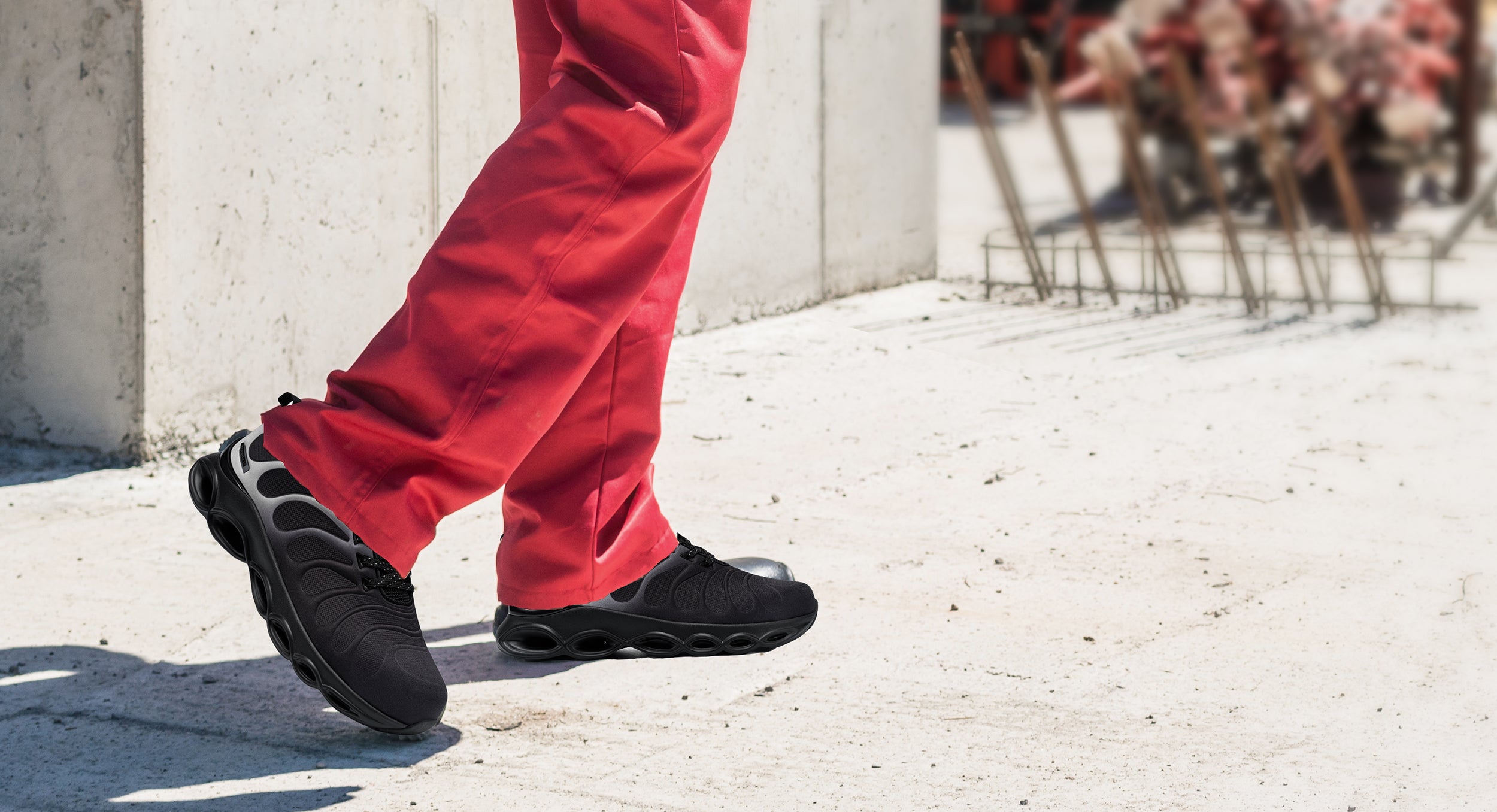
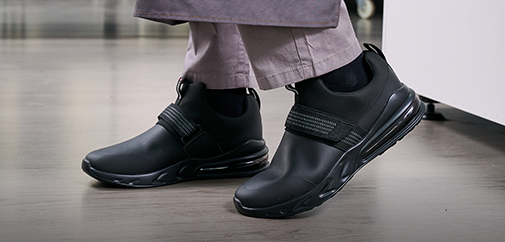
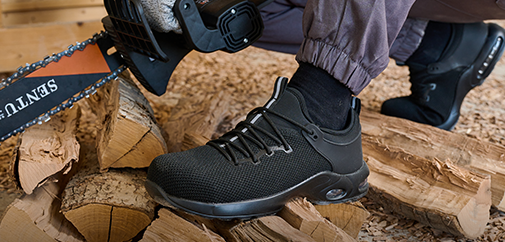
Slip-resistant shoes can cut the risk of workplace falls. A study found that they reduce slips by 54% for restaurant workers. These shoes are ideal for wet or oily floors, making them perfect for kitchens, nursing jobs, and food service.
Pick shoes with proper non-slip soles to ensure safety. Look for designs that grip well and channel water or oil away from the surface. Circular grips on outsoles help prevent sliding. Men’s non-slip shoes and women’s non-slip work shoes are essential in your safety gear at work.
Ensure proper fit for comfort and safety
A good fit is as important as slip resistance. Shoes that are too loose can cause your foot to slide inside, increasing the chance of falling. Tight shoes might hurt your feet or lead to blisters, making it harder to focus on tasks.
Always choose a size with enough room for your toes but secure enough to stay in place.
Footwear should offer arch support and cushioning. This reduces fatigue during long hours of standing or walking. Lightweight options help lessen strain and prevent discomfort at work.
Regularly check your shoes for wear and replace them before they become unsafe. Consult a podiatrist if you need advice about selecting the best non slip kitchen shoes or nursing footwear for comfort and safety needs at work.
Awareness and Safety Practices
Stay alert while moving through your workplace. Pay attention to potential hazards around you.
Stay aware of your surroundings
Look for wet spills or cluttered floors that can cause slips. Report hazards like poor lighting, uneven surfaces, or changes in floor levels right away. Walk at a steady pace and slow down near corners or intersections.
Keep your focus on where you're going to avoid tripping over obstacles. Avoid distractions like looking at your phone while walking. Use designated paths when possible to stay safe.
Always inspect your area for risks before moving forward.
Use handrails when climbing stairs
Always hold the handrails on stairs. They help you stay balanced and prevent falls. OSHA requires guardrails for stairways over 4 feet high to reduce risks. Slips and trips happen often without proper support.
Watch out for hazards like ice, snow, or clutter on stairs. Cleanliness is key to keeping them safe. Avoid carrying loads that block your view or using cell phones while climbing steps.
Regularly check for loose handrails to ensure safety at work.
Avoid distractions like cell phones while walking
Staying focused while walking at work is critical for safety. Using cell phones increases the risk of slipping, tripping, or falling. In fact, injuries from distracted walking caused by smartphones have more than doubled in five years. You can trip over obstacles or miss hazards if you are looking at your phone instead of paying attention.
Workplace distractions from devices often lead to serious accidents near machinery or uneven floors. The National Safety Council reports that cellphone-related distracted walking causes unintentional deaths and injuries. Avoid texting, calling, or scrolling as you walk through work areas to reduce risks like slips and falls. Implementing clear policies on device use and providing safety training can help create a safer workplace environment for everyone.
The Role of Safety Training and Workplace Policies
Learn how proper training can keep you safe at work. Workplace policies help create a safer environment for everyone.
Provide employees with safety training
Teach workers to spot and report slip, trip, and fall risks. Safety training should explain how proper footwear like slip-resistant shoes can prevent accidents.
Hold workshops or talks regularly to remind everyone of safe habits. Train new hires during onboarding on using handrails, cleaning up spills fast, and keeping pathways clear. This builds a strong safety culture while reducing workplace injuries.
Conduct regular workplace safety audits
Regular workplace safety audits help you find hazards like wet floors, clutter, or poor lighting. OSHA Standard 1910.22 requires safe conditions in workspaces, making audits essential for compliance.
These checks ensure paths are clear and walking surfaces are even. Audits should also focus on proper lighting and housekeeping practices to reduce risks.
Addressing findings from these audits can stop accidents before they happen. For example, fixing uneven surfaces or cleaning up spills quickly lowers the chance of injuries if you slipped and fell at work.
Share audit results with employees so everyone stays informed about potential dangers.
Conclusion
Preventing slips and falls at work keeps you safe and healthy. Small steps like clearing clutter, wearing slip-resistant shoes, and staying alert make a big difference. Follow safety rules and report hazards right away.
Protect yourself by taking action every day. Your safety matters most!
FAQs
1. How can employees avoid slipping and falling at work?
Employees can wear slip-resistant shoes, such as non-slip nursing shoes or men's non-slip shoes, to reduce the risk of falls.
2. What should I do if I fell at work and hurt my back?
If you fell at work and hurt your back, report the incident immediately to your supervisor and seek medical attention as needed.
3. Are there specific shoes for preventing slips in restaurants?
Yes, non-slip food service shoes or slip-resistant work shoes are designed specifically for restaurant workers to help prevent slips on wet floors.
4. Can wearing proper footwear prevent injuries like a hurt knee from a fall?
Wearing slip-resistance shoes reduces the chance of falling, which helps avoid injuries like hurting your knee or neck while working.
References
-
- ^ https://ehs.yale.edu/sites/default/files/files/slip-trip-fall.pdf
- ^ https://pmc.ncbi.nlm.nih.gov/articles/PMC4246530/
- ^ https://www.osha.gov/sites/default/files/2018-12/fy16_sh-29672-sh6_SlipsTripsFallsHandoutforSafetyCommitteeMeetings.pdf
- ^ https://www.cdc.gov/niosh/falls/about/index.html (2024-01-23)
- ^ https://jobsitecare.com/blog/slips-trips-falls/ (2025-02-14)
- ^ https://www.naspweb.com/blog/how-to-prevent-falls-trips-and-slips-on-the-job-site/ (2024-05-29)
- ^ https://www.nsc.org/workplace/safety-topics/slips-trips-and-falls/slips-trips-and-falls-home?srsltid=AfmBOoqqr9dueR5kyyjIQvXTC2mAsz7tBxXih0gW-4RVGyIxyvhu4BtS
- ^ https://pmc.ncbi.nlm.nih.gov/articles/PMC10018157/
- ^ https://www.ccohs.ca/oshanswers/safety_haz/falls.html
- ^ https://www.safemt.com/resources/six-tips-to-help-prevent-slips-trips-and-falls/
- ^ https://safetyculture.com/topics/slips-trips-and-falls/ (2024-06-27)
- ^ https://www.newpig.com/expertadvice/choosing-footwear-to-help-prevent-slips-trips-and-falls/?srsltid=AfmBOop4OzStLDuxb57Se7kF76z6EiiZAyejgV39vFv69Uq_30zgi6hY
- ^ https://pmc.ncbi.nlm.nih.gov/articles/PMC6252757/
- ^ https://worksafept.com/the-importance-of-proper-footwear-for-workplace-safety/
- ^ https://www.alertmedia.com/blog/prevent-slips-trips-and-falls/ (2024-01-24)
- ^ https://weeklysafety.com/blog/stairways
- ^ https://www.ehsinsight.com/blog/the-importance-of-safety-stair-rails-in-preventing-slips-trips-and-falls (2023-01-31)
- ^ https://www.travelers.com/resources/business-topics/workplace-safety/is-distracted-walking-on-the-job-a-hazard