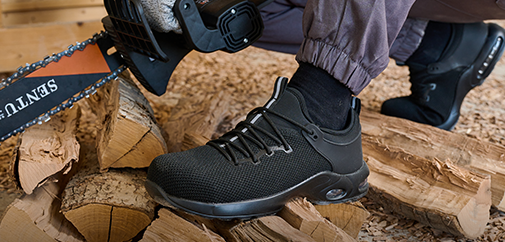



Choosing between steel toe shoes and boots can be confusing. Both offer safety, but they work best in different jobs and conditions. This guide will help you understand their differences and decide which fits your needs.
Keep reading to make the right choice!
Key Takeaways
- Steel toe shoes are lighter and better for jobs needing mobility, but they conduct heat, cold, and electricity.
- Steel toe boots offer more protection with higher coverage but feel heavier for long shifts.
- Composite toes provide insulation from temperature changes and do not set off metal detectors.
- Choose based on job risks like falling objects or electrical hazards. Review ASTM safety ratings before buying.
- Comfort matters; a proper fit prevents blisters and reduces fatigue during long work hours.
Understanding Steel Toe Shoes and Boots
Steel toe shoes and boots protect your feet in tough work settings. They each serve different needs based on jobs and tasks.
What Are Steel Toe Shoes?
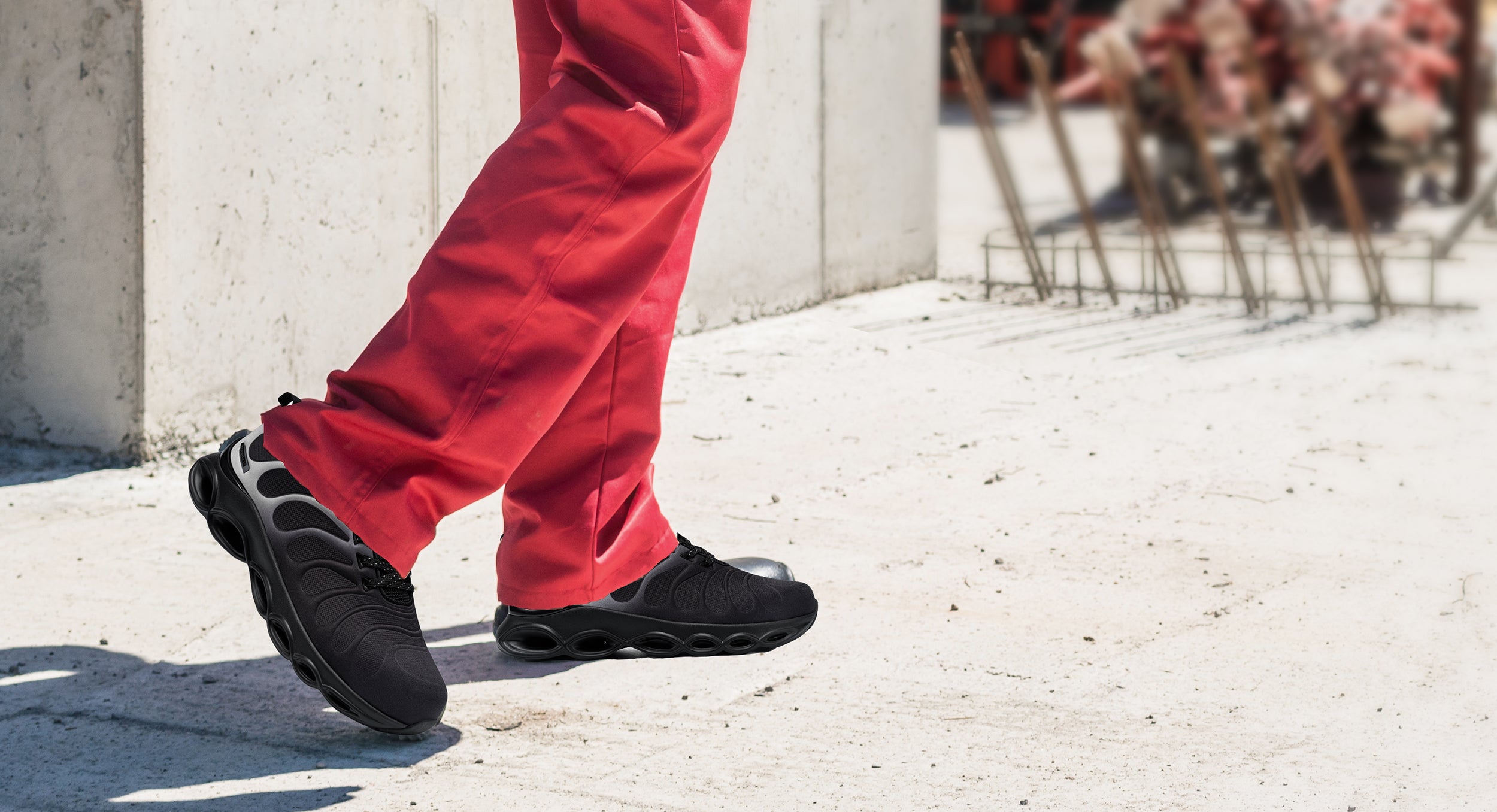
Steel toe shoes have a tough steel cap in the front. This cap protects your toes from heavy objects and compression. They are ideal for jobs in construction, manufacturing, or other heavy industries where safety is key.

While durable, these shoes can feel heavy after long hours of use.
These shoes also conduct heat, cold, and electricity because of the steel material. This feature might not suit certain job environments like electrical work or extreme weather conditions.
Their solid design offers top-notch protection but lacks insulation against harsh temperatures—transitioning to boots shows how they handle such challenges better.
What Are Steel Toe Boots?
Steel toe boots are tough and built for hard jobs. These safety toe work boots have a steel cap inside the toe area to protect your feet from heavy objects or compression. They are popular in construction, manufacturing, and other industrial settings where hazards are common.

Safety toe boots provide better protection than most steel toe shoes due to their higher coverage and durable build. While offering superior defense, they can feel heavier on long shifts.
Steel conducts heat and cold, so these boots may not suit extreme weather conditions without proper insulation. Some workplaces require ASTM-rated steel toe cap boots for safety compliance.
Key Differences Between Steel Toe Shoes and Boots
Steel toe shoes and boots serve similar purposes but differ in design. These differences affect how they perform for specific tasks and environments.
Protection and Durability
Steel toe boots and shoes guard against impact and compression. They meet ASTM safety standards, making them reliable for heavy industries like construction or manufacturing. These sturdy options can handle falling objects or sharp tools.
Boots often last longer due to extra material and design for rugged jobs. Shoes may wear out faster but still offer tough protection in lighter tasks. Next, learn about weight and comfort differences.
Weight and Comfort
Steel toe shoes are heavier than composite options. This added weight may cause fatigue during long workdays. Workers on their feet for hours might feel the strain from wearing them.

In contrast, composite toes are lighter and reduce discomfort over time.
A steel toe conducts heat and cold quickly, making it less comfortable in extreme weather. Composite toes provide better insulation against temperature changes. "Lighter footwear enhances mobility and reduces leg stress," according to workplace safety experts.
Choosing between protection and comfort matters based on your job needs.
Flexibility and Mobility
Composite toe options are lighter than steel types. This reduces fatigue during long shifts. Workers who move a lot will find them more comfortable. Steel toes offer less flexibility due to their rigid material.

Non-steel materials enhance mobility on uneven surfaces. They also help in tasks requiring constant bending or crouching. Lightweight footwear makes it easier to maintain balance and speed.
Mobility impacts comfort directly, especially for extended work hours.
Factors to Consider When Choosing Between Steel Toe Shoes and Boots
Your job and conditions decide what footwear you need. Think about safety, comfort, and how long you’ll wear them.
Job Requirements and Safety Standards
Select steel toe shoes or boots based on your job’s safety needs. Steel toe footwear protects against heavy impacts and compression. This makes it essential for industries like construction and manufacturing.
Review workplace requirements carefully to meet OSHA or ASTM standards. Jobs with electrical hazards may need composite toes instead, as these do not conduct electricity.

Check if metal detectors are part of the workspace processes too. Composite options avoid triggering alarms in such areas. Durability matters for demanding tasks, while insulation helps in cold conditions outdoors.
Always match the footwear choice to specific risks at work for optimal protection and comfort during shifts.
Weather Conditions and Insulation
Steel toe boots conduct heat and cold. This happens because steel is a good conductor of temperature. In hot weather, your feet may feel hotter in steel toe shoes or boots. In freezing conditions, they can make your feet colder.
Composite toe footwear does not transfer heat or cold. It keeps your feet comfortable in extreme temperatures. In winter, composite toes help retain warmth better than steel toes. For jobs in diverse climates, focus on insulation for safety and comfort.
Next: Frequency and Duration of Use
Frequency and Duration of Use
Frequent use in heavy industries requires strong footwear. Steel toe boots are ideal because they offer maximum protection from impact and compression. They work best for long shifts in dangerous environments, such as construction or manufacturing.
Wearing steel toe shoes for extended hours can cause fatigue due to their weight. Composite toes are lighter and more comfortable, making them better for long days with lots of walking or standing.
Jobs involving electrical hazards may favor composite options since they do not conduct electricity. Always match your footwear to the job’s safety standards for the safest results.
Pros and Cons of Steel Toe Shoes
Steel toe shoes offer great protection but may lack the sturdiness for harsh job sites.
Advantages of Steel Toe Shoes
Steel toe shoes protect feet from heavy objects and impact. They meet high safety standards, making them perfect for construction jobs and factories.
These shoes are lighter than steel toe boots. Workers can move quickly without extra weight slowing them down. They also prevent slips and falls with sturdy soles designed for tough tasks.
Disadvantages of Steel Toe Shoes
Steel toe shoes are heavier than other options, like composite toe footwear. This extra weight can cause foot fatigue during long shifts. Workers who stand or walk for hours may feel this strain more.
They conduct electricity and temperature, posing risks in some jobs. For example, working near heat or live wires increases danger when wearing them. These shoes also trigger metal detectors, making them unsuitable for security-sensitive roles like airports or government facilities.
Pros and Cons of Steel Toe Boots
Steel toe boots offer strong protection but may feel heavier during long hours.
Advantages of Steel Toe Boots
Steel toe boots offer excellent protection in tough jobs. They guard feet against heavy objects, sharp tools, and compression hazards. Many workers in construction and manufacturing choose them for their high safety standards.
These boots also meet strict industry rules to keep you safe on the job.
They last longer than many other work shoes in rough environments. The steel design handles harsh conditions without wearing out quickly. Compared to composite toes, they are often more affordable too.
This makes them a smart choice for workers needing durable safety footwear every day.
Disadvantages of Steel Toe Boots
While steel toe boots provide strong protection, they can feel heavy. This extra weight may cause foot fatigue during long workdays. Workers who spend hours on their feet might find them tiring to wear.
Steel conducts electricity and heat. This makes these boots risky in certain environments, like those involving electrical hazards or extreme cold. Steel toes also set off metal detectors, which can be inconvenient for security roles.
They could feel less comfortable compared to composite options in varied working conditions as well.
Tips for Selecting the Right Steel Toe Footwear
Pick footwear that fits well and keeps you safe at work.
Check ASTM Safety Ratings
ASTM safety ratings ensure steel toe footwear meets impact and compression standards. These ratings show how much protection the shoes or boots provide in tough jobs. Industries like construction, warehouses, or factories may have specific ASTM requirements for worker safety.

Some jobs face electrical hazards. ASTM ratings can help workers choose between steel toe and composite options based on these risks. Always check for compliance with these standards to avoid workplace injuries or legal issues.
Understand Your Working Environment
Workplaces like construction sites need tough footwear. Steel toe boots give strong protection to feet in heavy industries. They guard against falling tools, sharp objects, and dangerous impacts.
Check for hazards such as electricity or slippery surfaces. Some jobs may require non-metallic options for safety around electrical risks. Think about workplace rules and weather conditions too.
Cold environments might need insulated boots for warmth while hot areas call for breathable materials.
Prioritize Comfort and Fit
Choosing the right fit prevents blisters and discomfort. Poorly fitting steel toe footwear can cause foot pain, reducing your focus on the job. A snug but not tight design helps you stay comfortable during long shifts.
Heavier shoes may lead to fatigue over hours of use. Composite options reduce weight and feel more comfortable for extended wear. Match the size and style to your needs for better safety and productivity at work.
Conclusion
Steel toe shoes and boots both offer safety. The choice depends on your job needs, comfort, and environment. Shoes are lighter for easy movement, while boots add better protection in tough conditions.
Always pick what fits well and meets workplace safety standards. Your feet will thank you!
FAQs
1. What is the main difference between steel toe shoes and boots?
Steel toe shoes are low-cut and lightweight, while steel toe boots cover the ankle and offer more protection for rough environments.
2. When should I choose steel toe boots over shoes?
Choose steel toe boots if you work in construction or on uneven ground where extra ankle support and durability are needed.
3. Are steel toe shoes safer than regular work footwear?
Yes, steel toe shoes protect your toes from heavy objects or impacts that regular footwear cannot handle.
4. Do both options provide comfort for long hours?
Steel toe shoes are lighter, making them better for long shifts indoors; however, modern steel toe boots often include padding to improve comfort outdoors.